Paperback
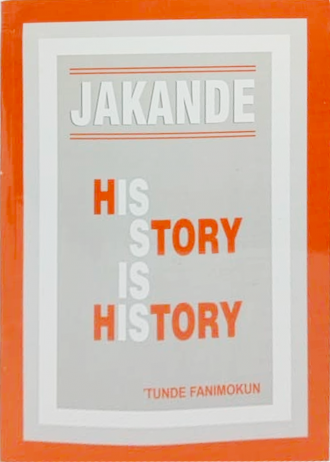
Jakande: His Story Is History
₦5,000.00This book is the story of Alhaji Chief (Dr) Lateef Kayode Jakande who was the first civilian governor of Lagos State (1979 – 1983) and the Honourable Minister of Works and Housing (1993 – 1995).


₦6,000.00
As he works his way through his medical training, Ike Anya’s grandmother reassures him, Everything worthwhile is achieved small by small.
Ike’s story charts the triumphs and failures of his student days through to his first demanding year as a house officer. A medical memoir unlike any from the West, this is filled with the colour and vibrancy of tempestuous 1990s Nigeria, where political unrest, social change and a worsening economy make a doctor’s life particularly challenging.
Out of stock
This book is the story of Alhaji Chief (Dr) Lateef Kayode Jakande who was the first civilian governor of Lagos State (1979 – 1983) and the Honourable Minister of Works and Housing (1993 – 1995).
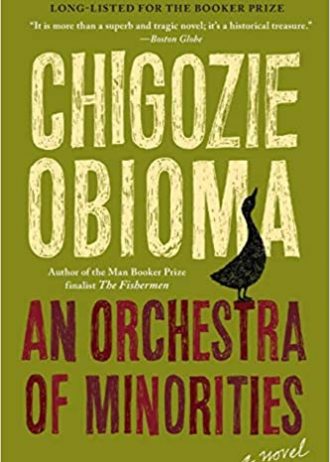
Set on the outskirts of Umuahia, Nigeria and narrated by a chi, or guardian spirit, An Orchestra of Minorities tells the story of Chinonso, a young poultry farmer whose soul is ignited when he sees a woman attempting to jump from a highway bridge. Horrified by her recklessness, Chinonso joins her on the roadside and hurls two of his prized chickens into the water below to express the severity of such a fall. The woman, Ndali, is stopped her in her tracks.
Bonded by this night on the bridge, Chinonso and Ndali fall in love. But Ndali is from a wealthy family and struggles to imagine a future near a chicken coop. When her family objects to the union because he is uneducated, Chinonso sells most of his possessions to attend a college in Cyprus. But when he arrives he discovers there is no place at the school for him, and that he has been utterly duped by the young Nigerian who has made the arrangements… Penniless, homeless, and furious at a world which continues to relegate him to the sidelines, Chinonso gets further away from his dream, from Ndali and the farm he called home.
Spanning continents, traversing the earth and cosmic spaces, and told by a narrator who has lived for hundreds of years, the novel is a contemporary twist of Homer’s Odyssey. Written in the mythic style of the Igbo literary tradition, Chigozie Obioma weaves a heart-wrenching epic about destiny and determination.

This is a life account of one of Nigeria’s legendary leaders. It goes beyond the life history of Chief Michael Adekunle Ajasin. It is about a people and is a compendium of historical events.
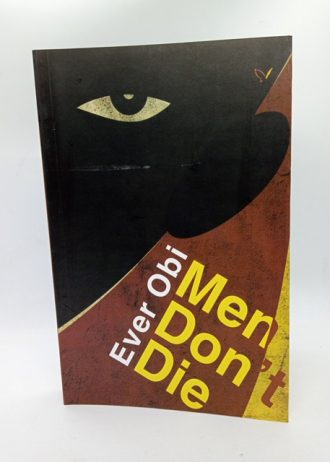
In possession of stolen lucre, Brume Lauva takes a big step and decides to run away from the life he as always known: a life of consistent failures and from a girlfriend who shattered his heart and his last feeble grip on a broken dream.
Lagos, he believes, would offer another chance at life; where he could mend his broken heart and start to dream again, But en route to his land of promise, a fatal bus crash occurs, and Brume is the only survivor – without a scratch. He flees the scene of the accident and hitchhikes his way to Lagos.
Electric, exhilarating, and beautifully crafted, Ghana Must Go introduces the world to Taiye Selasi, a novelist of extraordinary talent. In a sweeping narrative that takes readers from Accra to Lagos to London to New York, it is at once a portrait of a modern family and an exploration of the importance of where we come from to who we are.
A renowned surgeon and failed husband, Kweku Sai dies suddenly at dawn outside his home in suburban Accra. The news of his death sends a ripple around the world, bringing together the family he abandoned years before. Moving with great elegance through time and place, Ghana Must Go charts their circuitous journey to one another and, along the way, teaches us that the truths we speak can heal the wounds we hide.
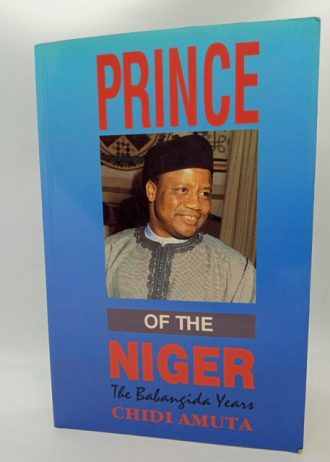
A compassionate conservative soldier-statesman, Babangida, in or out of office is not likely to be ignored in any honest attempt to understand the great economic and political challenges which beset Nigeria and Africa in the last decades of the twentieth century. Consequently the journey to Nigeria’s future greatness or demise must necessarily take its bearing from the Babangida years.
Reviews
There are no reviews yet.