HArdcover
The Amazing Human Body
₦5,000.00Unlock the mysteries of the human body with this fascinating Factopedia of bodily biology.

₦6,500.00
Half of the world’s population has one; the other half sometimes comes into contact with it, and yet a great deal of ignorance exists regarding the penis. Join celebrated professor of urology Piet Hoebeke, one of the world’s leading experts in his field, as he sets out to clarify the mysteries of the male reproductive organ.
Professor Hoebeke draws on his years of experience to address the key questions, such as:
What is the ideal penis? What’s the best technique for taking a pee? Why is an erection that lasts 24 hours a bad thing? And, of course: What to do when your foreskin gets stuck between the zipper of your trousers?
Other areas covered include: the evolution of the penis, size, deviations, sexual health, the disturbed relationship between the man and his penis, sperm production, and the art of good penis maintenance.
Members Club is the no-nonsense guide every penis user needs.
Unlock the mysteries of the human body with this fascinating Factopedia of bodily biology.
Vitamins and minerals are the building blocks of good health. But the heavily processed foods that are so common in today’s modern diet are stripped of these nutrients, leaving many people nutrient deficient despite meeting (or exceeding) their daily calorie needs. The accepted solution is to take supplements created in a lab, but the dosage and interactions can be confusing, and supplements are loosely regulated and not always foolproof, especially since our bodies are designed to receive nutrients from natural, whole foods.
Eat Your Vitamins features fifty key vitamins, minerals, and other nutrients essential to your health. You will find clear definitions of each nutrient along with the role it plays in the body, how it is best consumed and absorbed, recommended daily doses, and detailed lists of foods and natural sources that contain the vitamin along with a recipe for a nutrient-rich meal. Ditch the synthetic supplements and make the right choice about how to properly feed and fuel your body.
Over 80 superfood entries updated with the latest health research discoveries.
Since this comprehensive reference was first published, major studies have reinforced the importance and potential value of obtaining nutrients from foods rather than supplements. Many of the studies have discovered previously unknown health benefits of great significance, such as a reduced risk for dementia with the consumption of blueberries.
In all, over 80 entries in this new edition have had their “Healthy Evidence” section updated to reflect the outcome of major reputable medical studies, including:
Garlic supplements are beneficial for cirrhosis patients
Cherries will lessen the frequency of gout attacks
Soybean consumption is effective in lowering cholesterol
Kale inhibits the growth of human colon cancer cells
Studies have also confirmed that Chia seed is a superfood for its protective effects against heart disease.
Superfoods is organized in broad categories: Vegetables; Mushrooms; Legumes; Fruits; Nuts and Oils; Herbs and Spices; Grains; Meat, Seafood, and Dairy; Beverages and Treats; and Nutritional Supplements. Each entry notes the food’s origin, its seasonal availability and nutritional values, tips on how to add it to an eating plan and how to optimize its nutrients and phytochemicals.
Nutrient breakdowns are derived from the USDA’s Nutrient Database, and “The Healthy Evidence” refers to published peer-reviewed studies available from the US National Library of Medicine and National Institutes of Health database. The book closes with Nutritional Tables, a quick-reference guide to the nutritional content of the “superfoods” listed in the book. Star ratings indicate the most notable nutrients in each superfood. With Superfoods, readers will get the most nutritional bang for their buck.
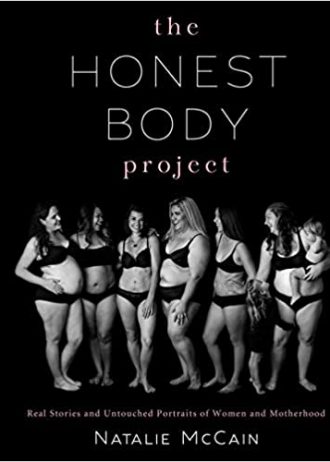
Only 4 percent of women around the world consider themselves to be beautiful, according to research done by Dove, and twenty million women suffer from significant eating disorders at some point in their life—The Honest Body Project was created to combat this tragic problem of poor body image in our society.
Founded by photographer Natalie McCain, this project is opening the eyes of women around the world and helping them to see the beauty both outside and inside of themselves. It is a collection of black and white portraits and stories, raw and untouched, from hundreds of women who have bared their hearts and souls to be a part of the project. Natalie tastefully photographs the women in their underwear, showing off their natural shapes and “imperfections.” There is no editing done after the fact, and the natural beauty of these women—from all backgrounds and walks of life—shines through the lens. Together, they create a beautiful, honest picture of both motherhood and what it means to be a woman. Topics include body image issues, breast cancer, depression (postpartum and otherwise), anxiety, bottle feeding versus breast feeding, aging, and more.
The Honest Body Project is a breath of fresh air, breaking down walls and helping women learn that they are not alone in their hardships. It wants to help women everywhere contribute to a better world, and to learn to love themselves and appreciate their bodies for what they are: perfectly imperfect. It is time to celebrate the true form of women.
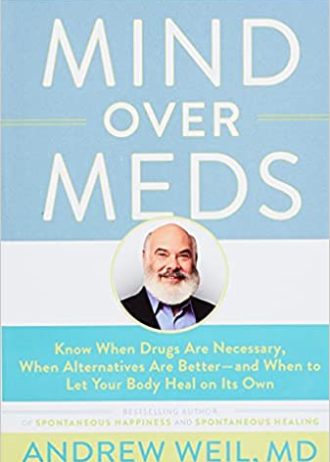
Prescription drug use in America has increased tenfold in the past 50 years, and over-the-counter drug use has risen just as dramatically. In addition to the dozens of medications we take to treat serious illnesses, we take drugs to help us sleep, to keep us awake, to keep our noses from running, our backs from aching, and our minds from racing. Name a symptom, there’s a pill to suppress it.
Modern drugs can be miraculously life-saving, and many illnesses demand their use. But what happens when our reliance on powerful pharmaceuticals blinds us to their risks? Painful side effects and dependency are common, and adverse drug reactions are America’s fourth leading cause of death.
In Mind over Meds, bestselling author Dr. Andrew Weil alerts readers to the problem of overmedication, and outlines when medicine is necessary, and when it is not. Dr. Weil examines how we came to be so drastically overmedicated, presents science that proves drugs aren’t always the best option, and provides reliable integrative medicine approaches to treating common ailments like high blood pressure, allergies, depression, and even the common cold. With case histories, healthy alternative treatments, and input from other leading physicians, Mind over Meds is the go-to resource for anyone who is sick and tired of being sick and tired.
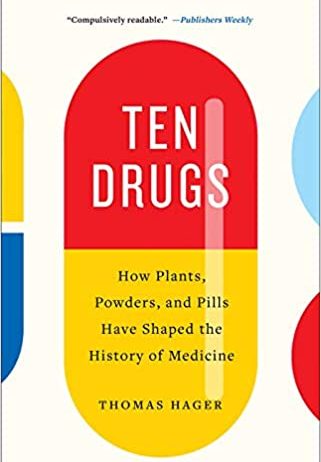
Behind every landmark drug is a story. It could be an oddball researcher’s genius insight, a catalyzing moment in geopolitical history, a new breakthrough technology, or an unexpected but welcome side effect discovered during clinical trials. Piece together these stories, as Thomas Hager does in this remarkable, century-spanning history, and you can trace the evolution of our culture and the practice of medicine.
Beginning with opium, the “joy plant,” which has been used for 10,000 years, Hager tells a captivating story of medicine. His subjects include the largely forgotten female pioneer who introduced smallpox inoculation to Britain, the infamous knockout drops, the first antibiotic, which saved countless lives, the first antipsychotic, which helped empty public mental hospitals, Viagra, statins, and the new frontier of monoclonal antibodies. This is a deep, wide-ranging, and wildly entertaining book.
Reviews
There are no reviews yet.