Paperback

The Amazing Human Body
₦5,000.00Unlock the mysteries of the human body with this fascinating Factopedia of bodily biology.

₦5,000.00
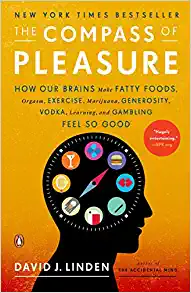
As he did in his award-winning book The Accidental Mind, David J. Linden—highly regarded neuroscientist, professor, and writer—weaves empirical science with entertaining anecdotes to explain how the gamut of behaviors that give us a buzz actually operates. The Compass of Pleasure makes clear why drugs like nicotine and heroin are addictive while LSD is not, how fast food restaurants ensure that diners will eat more, why some people cannot resist the appeal of a new sexual encounter, and much more. Provocative and illuminating, this is a radically new and thorough look at the desires that define us.
Out of stock
Unlock the mysteries of the human body with this fascinating Factopedia of bodily biology.
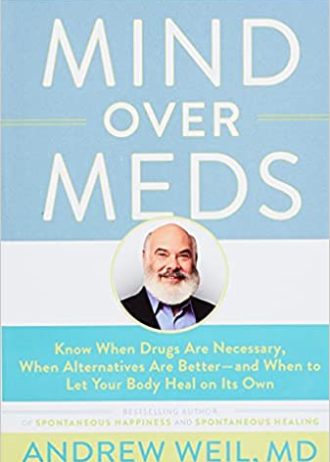
Prescription drug use in America has increased tenfold in the past 50 years, and over-the-counter drug use has risen just as dramatically. In addition to the dozens of medications we take to treat serious illnesses, we take drugs to help us sleep, to keep us awake, to keep our noses from running, our backs from aching, and our minds from racing. Name a symptom, there’s a pill to suppress it.
Modern drugs can be miraculously life-saving, and many illnesses demand their use. But what happens when our reliance on powerful pharmaceuticals blinds us to their risks? Painful side effects and dependency are common, and adverse drug reactions are America’s fourth leading cause of death.
In Mind over Meds, bestselling author Dr. Andrew Weil alerts readers to the problem of overmedication, and outlines when medicine is necessary, and when it is not. Dr. Weil examines how we came to be so drastically overmedicated, presents science that proves drugs aren’t always the best option, and provides reliable integrative medicine approaches to treating common ailments like high blood pressure, allergies, depression, and even the common cold. With case histories, healthy alternative treatments, and input from other leading physicians, Mind over Meds is the go-to resource for anyone who is sick and tired of being sick and tired.
More than a simple collection of recipes, this book guides readers toward a lifestyle that promotes alkaline balance by juicing, eating well, and cleansing the body and soul. While most juicing books focus too much on fruit juice (which disrupts the body’s pH balance with too much natural sugar), this book primarily focuses on juices, smoothies, and soups made from vegetables. Now, completely revised and upated, it also offers a guide to the food richest in nutrients from Vitamin A to zinc and includes over 20 new juice recipes as well as new versions of various cleanses to benefit the colon, liver, gall bladder, and kidney, lymphatics, and more. Beyond the body, the Calboms explain the heavy toll emotional, mental, and spiritual unrest can take on the body (and sometimes even encourage disease) and share unique, effective methods for cleansing the body of such toxicity.
Reveal 20 art masterpieces in this entertaining extreme dot-to-dot puzzle book. You’ll be surprised and delighted as tonal shading and expressive line work appears, simply by connecting the dots. More challenging than the puzzles you enjoyed as a child, these dot-to-dots will engage your mind, improve hand-eye coordination, and increase concentration skills. Get your pencils ready to make some connections!
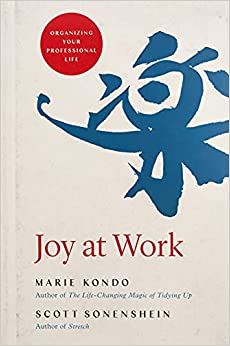
Declutter your desk and brighten up your business with this transformative guide from an organizational psychologist and the #1 New York Times bestselling author of The Life-Changing Magic of Tidying Up.
The workplace is a magnet for clutter and mess. Who hasn’t felt drained by wasteful meetings, disorganized papers, endless emails, and unnecessary tasks? These are the modern-day hazards of working, and they can slowly drain the joy from work, limit our chances of career progress, and undermine our well-being.
There is another way. In Joy at Work, bestselling author and Netflix star Marie Kondo and Rice University business professor Scott Sonenshein offer stories, studies, and strategies to help you eliminate clutter and make space for work that really matters.
Using the world-renowned KonMari Method and cutting-edge research, Joy at Work will help you overcome the challenges of workplace mess and enjoy the productivity, success, and happiness that come with a tidy desk and mind.
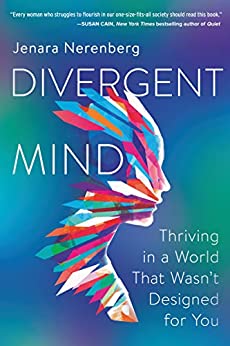
A paradigm-shifting study of neurodivergent women—those with ADHD, autism, synesthesia, high sensitivity, and sensory processing disorder—exploring why these traits are overlooked in women and how society benefits from allowing their unique strengths to flourish.
As a successful Harvard and Berkeley-educated writer, entrepreneur, and devoted mother, Jenara Nerenberg was shocked to discover that her “symptoms”–only ever labeled as anxiety– were considered autistic and ADHD. Being a journalist, she dove into the research and uncovered neurodiversity—a framework that moves away from pathologizing “abnormal” versus “normal” brains and instead recognizes the vast diversity of our mental makeups.
When it comes to women, sensory processing differences are often overlooked, masked, or mistaken for something else entirely. Between a flawed system that focuses on diagnosing younger, male populations, and the fact that girls are conditioned from a young age to blend in and conform to gender expectations, women often don’t learn about their neurological differences until they are adults, if at all. As a result, potentially millions live with undiagnosed or misdiagnosed neurodivergences, and the misidentification leads to depression, anxiety, low self-esteem, and shame. Meanwhile, we all miss out on the gifts their neurodivergent minds have to offer.
Divergent Mind is a long-overdue, much-needed answer for women who have a deep sense that they are “different.” Sharing real stories from women with high sensitivity, ADHD, autism, misophonia, dyslexia, SPD and more, Nerenberg explores how these brain variances present differently in women and dispels widely-held misconceptions (for example, it’s not that autistic people lack sensitivity and empathy, they have an overwhelming excess of it).
Nerenberg also offers us a path forward, describing practical changes in how we communicate, how we design our surroundings, and how we can better support divergent minds. When we allow our wide variety of brain makeups to flourish, we create a better tomorrow for us all.


Reviews
There are no reviews yet.