Paperback
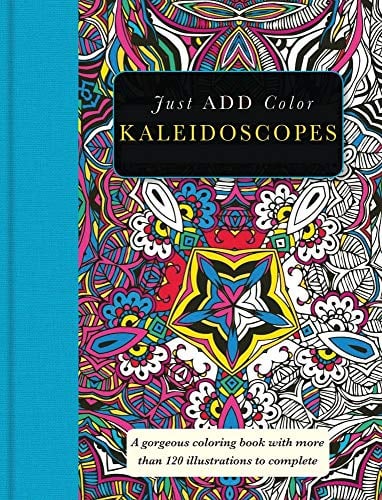
This beautiful coloring book – designed especially for grown-ups – features more than 120 stunning kaleidoscope designs. It’s the perfect way to unleash your inner artist.

₦19,000.00
Paperback
This beautiful coloring book – designed especially for grown-ups – features more than 120 stunning kaleidoscope designs. It’s the perfect way to unleash your inner artist.
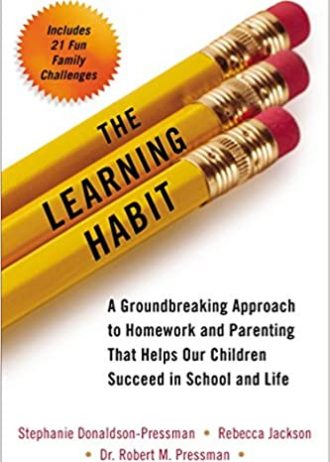
Life is different for kids today. Between standardized testing, the Common Core Curriculum, copious homework assignments, and seemingly endless amounts of “screen time,” it’s hard for kids – and parents – to know what’s most essential. How can parents help their kids succeed – not just do well “on the test” — but develop the learning habits they’ll need to thrive throughout their lives?
This important and parent-friendly book presents new solutions based on the largest study of family routines ever conducted. The Learning Habit offers a blueprint for navigating the maze of homework, media use, and the everyday stress that families with school-age children face; turning those “stress times” into opportunities to develop the eight critical skills kids will need to succeed in college and in the highly competitive job market of tomorrow – skills including concentration and focus, time management, decision-making, goal-setting, and self-reliance. Along with hands-on advice and compelling real-life case studies, the book includes 21 fun family challenges for parents and kids, bringing together the latest research with simple everyday solutions to help kids thrive, academically and beyond.
Only 4 percent of women around the world consider themselves to be beautiful, according to research done by Dove, and twenty million women suffer from significant eating disorders at some point in their life—The Honest Body Project was created to combat this tragic problem of poor body image in our society.
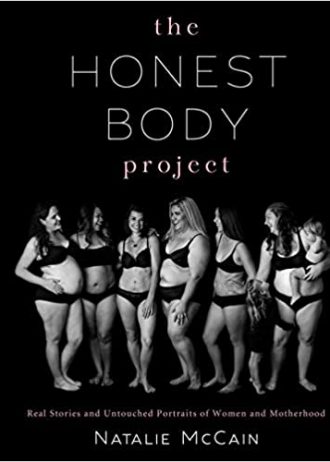
Founded by photographer Natalie McCain, this project is opening the eyes of women around the world and helping them to see the beauty both outside and inside of themselves. It is a collection of black and white portraits and stories, raw and untouched, from hundreds of women who have bared their hearts and souls to be a part of the project. Natalie tastefully photographs the women in their underwear, showing off their natural shapes and “imperfections.” There is no editing done after the fact, and the natural beauty of these women—from all backgrounds and walks of life—shines through the lens. Together, they create a beautiful, honest picture of both motherhood and what it means to be a woman. Topics include body image issues, breast cancer, depression (postpartum and otherwise), anxiety, bottle feeding versus breast feeding, aging, and more.
The Honest Body Project is a breath of fresh air, breaking down walls and helping women learn that they are not alone in their hardships. It wants to help women everywhere contribute to a better world, and to learn to love themselves and appreciate their bodies for what they are: perfectly imperfect. It is time to celebrate the true form of women.
How often have you made a successful presentation one day and the next day made a complete mess of the same material? If your delivery of presentations is all too variable, don’t despair—help is at hand. This book shows you how successful spoken communications work within a simple and executable framework of rules and techniques, and reveals how to avoid the pitfalls that exist to undermine your efforts. Expert advice, illustrated with a host of relevant examples, will ensure that you’ll have no more problems making impressive presentations each and every time.
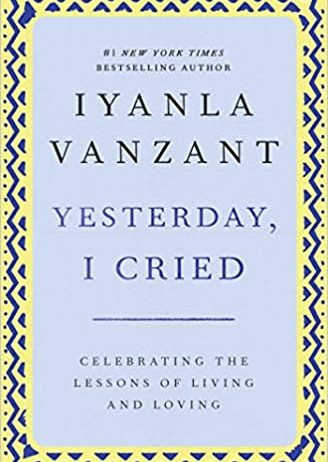
What is the lesson in abuse, neglect, abandonment, rejection? What is the lesson when you lose someone you really love? Just what are the lessons of life’s hard times?
Bestselling author Iyanla Vanzant has had an amazing and difficult life—one of great challenges that unmasked her wonderful gifts and led to wisdom gained. In this simple book, she uses her own personal experiences to show how life’s hardships can be re-languaged and revisioned to become lessons that teach us as we grow, heal, and learn to love. The pain of the past does not have to be today’s reality. Iyanla Vanzant is an example of how yesterday’s tears become the seeds of today’s hope, renewal, and strength.
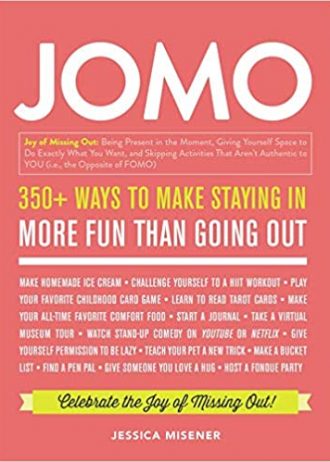
Discover the perfect idea for a fun night in with more than 350 activities to do with friends, your partner, or alone, all from the comfort of your home.
We’ve all heard about FOMO (fear of missing out) but now you can make the most of your night in with this must-have bucket list for every homebody, featuring fun and entertaining activities to keep you pleasantly relaxed and stress-free every time you decide you’d rather not leave the comfort of your home.
This simple list-based guide book includes over 350 things to do to keep your nights in fun for everyone. Featuring advice for entertaining friends (get some snacks and host a game night), spending time with your significant other (put together some homemade pizza and watch a movie or a sports game), or even enjoying a relaxing Friday night at home alone (all you need is a bubble bath and a good book). Whether you’re a card-carrying introvert or just a habitual homebody in search of some new ideas and interested in starting a new, more relaxed schedule, these activities are sure to spice up your nights on the couch.
You’ll find the perfect idea for your night in—where there’s no line for the bathroom and pants are always optional. Celebrate the year of the homebody and discover new ways to recharge and avoid stressful plans (and people) all while remaining comfy, cozy, and content at home.
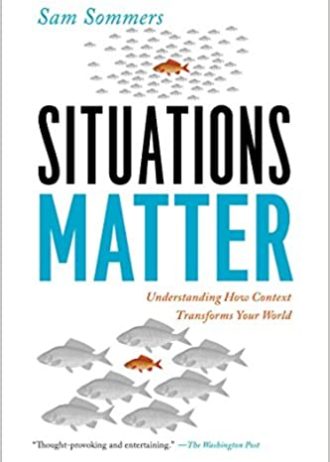
The world around you is pulling your strings, shaping your private thoughts and innermost instincts. And you don’t even realize it.
Every day we overlook the enormous power of situations in our lives. We fail to appreciate that life’s basic details—where we are, whom we’re with, and even whether we’re in a hurry—affect how we think and act. Sommers argues that understanding the powerful influence of context forces us to rethink how we see ourselves and makes us more effective at work, at home, and in our daily lives. He describes the pitfalls that we should avoid and offers compelling suggestions on how we can make better decisions and smarter observations about the world around us. Insightful, engaging, and readable, Situations Matter is a primer on the importance of context in our lives and on what really makes people tick.
Reviews
There are no reviews yet.