Hardcover
The fruit of a lifetime of expertise and a global quest for answers, Healing is a hopeful, actionable account and achievable vision for us all in this time of mental health crisis.

₦27,000.00
Hardcover
The fruit of a lifetime of expertise and a global quest for answers, Healing is a hopeful, actionable account and achievable vision for us all in this time of mental health crisis.
More than a simple collection of recipes, this book guides readers toward a lifestyle that promotes alkaline balance by juicing, eating well, and cleansing the body and soul. While most juicing books focus too much on fruit juice (which disrupts the body’s pH balance with too much natural sugar), this book primarily focuses on juices, smoothies, and soups made from vegetables. Now, completely revised and upated, it also offers a guide to the food richest in nutrients from Vitamin A to zinc and includes over 20 new juice recipes as well as new versions of various cleanses to benefit the colon, liver, gall bladder, and kidney, lymphatics, and more. Beyond the body, the Calboms explain the heavy toll emotional, mental, and spiritual unrest can take on the body (and sometimes even encourage disease) and share unique, effective methods for cleansing the body of such toxicity.
Vitamins and minerals are the building blocks of good health. But the heavily processed foods that are so common in today’s modern diet are stripped of these nutrients, leaving many people nutrient deficient despite meeting (or exceeding) their daily calorie needs. The accepted solution is to take supplements created in a lab, but the dosage and interactions can be confusing, and supplements are loosely regulated and not always foolproof, especially since our bodies are designed to receive nutrients from natural, whole foods.
Eat Your Vitamins features fifty key vitamins, minerals, and other nutrients essential to your health. You will find clear definitions of each nutrient along with the role it plays in the body, how it is best consumed and absorbed, recommended daily doses, and detailed lists of foods and natural sources that contain the vitamin along with a recipe for a nutrient-rich meal. Ditch the synthetic supplements and make the right choice about how to properly feed and fuel your body.
Over 80 superfood entries updated with the latest health research discoveries.
Since this comprehensive reference was first published, major studies have reinforced the importance and potential value of obtaining nutrients from foods rather than supplements. Many of the studies have discovered previously unknown health benefits of great significance, such as a reduced risk for dementia with the consumption of blueberries.
In all, over 80 entries in this new edition have had their “Healthy Evidence” section updated to reflect the outcome of major reputable medical studies, including:
Garlic supplements are beneficial for cirrhosis patients
Cherries will lessen the frequency of gout attacks
Soybean consumption is effective in lowering cholesterol
Kale inhibits the growth of human colon cancer cells
Studies have also confirmed that Chia seed is a superfood for its protective effects against heart disease.
Superfoods is organized in broad categories: Vegetables; Mushrooms; Legumes; Fruits; Nuts and Oils; Herbs and Spices; Grains; Meat, Seafood, and Dairy; Beverages and Treats; and Nutritional Supplements. Each entry notes the food’s origin, its seasonal availability and nutritional values, tips on how to add it to an eating plan and how to optimize its nutrients and phytochemicals.
Nutrient breakdowns are derived from the USDA’s Nutrient Database, and “The Healthy Evidence” refers to published peer-reviewed studies available from the US National Library of Medicine and National Institutes of Health database. The book closes with Nutritional Tables, a quick-reference guide to the nutritional content of the “superfoods” listed in the book. Star ratings indicate the most notable nutrients in each superfood. With Superfoods, readers will get the most nutritional bang for their buck.
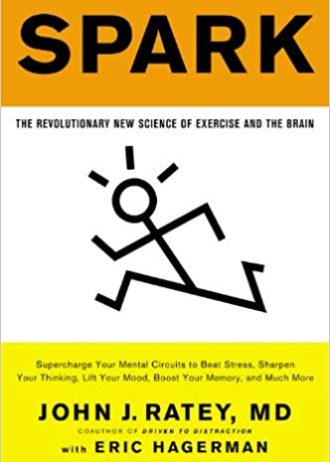
A groundbreaking and fascinating investigation into the transformative effects of exercise on the brain, from the bestselling author and renowned psychiatrist John J. Ratey, MD.
Did you know you can beat stress, lift your mood, fight memory loss, sharpen your intellect, and function better than ever simply by elevating your heart rate and breaking a sweat? The evidence is incontrovertible: Aerobic exercise physically remodels our brains for peak performance.
In Spark, John J. Ratey, M.D., embarks upon a fascinating and entertaining journey through the mind-body connection, presenting startling research to prove that exercise is truly our best defense against everything from depression to ADD to addiction to aggression to menopause to Alzheimer’s.
Filled with amazing case studies (such as the revolutionary fitness program in Naperville, Illinois, which has put this school district of 19,000 kids first in the world of science test scores), Spark is the first book to explore comprehensively the connection between exercise and the brain. It will change forever the way you think about your morning run — -or, for that matter, simply the way you think.
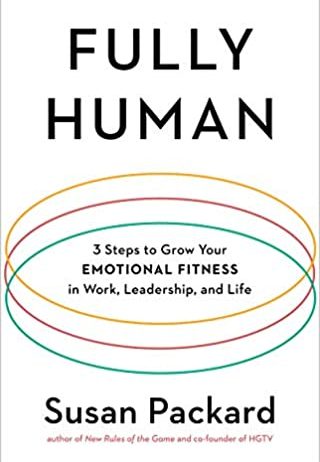
Emotions can sink us, or they can power us like fuel to succeed. Many of us show up for work, and life, feeling lonely even in a room full of people, or bringing unproductive emotions into work, like anger or fear. You don’t have to feel this way. Susan Packard offers an accessible new guidebook to grow your emotional fitness, and it’s arrived just in time, as technology is quickly becoming our main interface for communication. No matter where you are in your career, success is an inside job. Packard lays out how to develop interdependent work relationships, and for leaders, how to build healthy company cultures.
Packard introduces us to successful people, and companies, that are rich with ‘connector’ emotions like hope, empathy and trust-building. She tackles unconventional topics, like how workaholism keeps us emotionally adolescent, and how forgiveness belongs in the workplace too. Packard shares her EQ Fit-catalyzed success at HGTV and the stories of the executives she coaches in mindfulness and other emerging techniques, and she teaches an ‘inside out’ practice of self-discovery, which helps you uncover unproductive emotions, and dispel them.
The best leaders balance power and grace, and everyone can effectively use resilience–an ability to endure tough situations and make tough decisions, and vulnerability, a willingness to open up, change, and admit when we need help. She offers new tools to bring our strongest emotional selves to work each day.
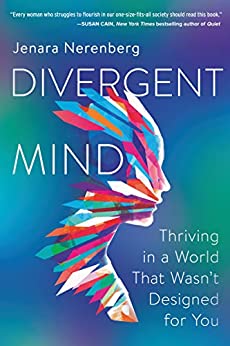
A paradigm-shifting study of neurodivergent women—those with ADHD, autism, synesthesia, high sensitivity, and sensory processing disorder—exploring why these traits are overlooked in women and how society benefits from allowing their unique strengths to flourish.
As a successful Harvard and Berkeley-educated writer, entrepreneur, and devoted mother, Jenara Nerenberg was shocked to discover that her “symptoms”–only ever labeled as anxiety– were considered autistic and ADHD. Being a journalist, she dove into the research and uncovered neurodiversity—a framework that moves away from pathologizing “abnormal” versus “normal” brains and instead recognizes the vast diversity of our mental makeups.
When it comes to women, sensory processing differences are often overlooked, masked, or mistaken for something else entirely. Between a flawed system that focuses on diagnosing younger, male populations, and the fact that girls are conditioned from a young age to blend in and conform to gender expectations, women often don’t learn about their neurological differences until they are adults, if at all. As a result, potentially millions live with undiagnosed or misdiagnosed neurodivergences, and the misidentification leads to depression, anxiety, low self-esteem, and shame. Meanwhile, we all miss out on the gifts their neurodivergent minds have to offer.
Divergent Mind is a long-overdue, much-needed answer for women who have a deep sense that they are “different.” Sharing real stories from women with high sensitivity, ADHD, autism, misophonia, dyslexia, SPD and more, Nerenberg explores how these brain variances present differently in women and dispels widely-held misconceptions (for example, it’s not that autistic people lack sensitivity and empathy, they have an overwhelming excess of it).
Nerenberg also offers us a path forward, describing practical changes in how we communicate, how we design our surroundings, and how we can better support divergent minds. When we allow our wide variety of brain makeups to flourish, we create a better tomorrow for us all.
Reviews
There are no reviews yet.