Social Science

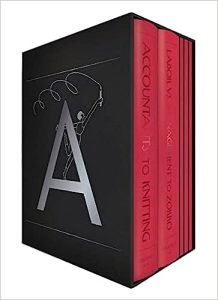
The New Yorker Encyclopedia Of Cartoons

40,000.00

The is the most ingenious collection of New Yorker cartoons published in book form, The New Yorker Encyclopedia of Cartoons is a prodigious, slip-cased, two-volume, 1,600-page A-to-Z curation of cartoons from the magazine from 1924 to the present. Mankoff — for two decades the cartoon editor of the New Yorker — organizes nearly 3,000 cartoons into more than 250 categories of recurring New Yorker themes and visual tropes, including cartoons on banana peels, meeting St. Peter, being stranded on a desert island, snowmen, lion tamers, Adam and Eve, the Grim Reaper, and dogs, of course. The result is hilarious and Mankoff’s commentary throughout adds both depth and whimsy.

The collection also includes a foreword by New Yorker editor David Remnick. This is stunning gift for the millions of New Yorker readersand anyone looking for some humor in the evolution of social commentary.
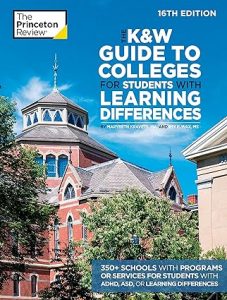

The K&W Guide to Colleges for Students with Learning Differences

35,000.00

FIND THE RIGHT SCHOOL FOR YOUR SPECIFIC NEEDS. This indispensable resource will help students with ADHD, Autism Spectrum Disorder, or learning differences find and apply to their personal best-fit college.

Hundreds of thousands of students with learning differences head to college every year. This comprehensive guide makes it easy for those students and their families and guidance counselors to tackle the daunting process of finding the school that fits their needs best.

This invaluable book for students, parents, and professionals includes:
• 350+ school profiles with targeted information on admission requirements, updated test policies, and the support services and programs offered by the colleges
• Index of colleges by level of support
• Policies and procedures regarding course waivers and substitutions
• Resources to help students find the best match for their needs
• Advice from learning specialists on making an effective transition to college

The Creative Act

30,000.00

Many famed music producers are known for a particular sound that has its day. Rick Rubin is known for something else: creating a space where artists of all different genres and traditions can home in on who they really are and what they really offer. He has made a practice of helping people transcend their self-imposed expectations in order to reconnect with a state of innocence from which the surprising becomes inevitable. Over the years, as he has thought deeply about where creativity comes from and where it doesn’t, he has learned that being an artist isn’t about your specific output, it’s about your relationship to the world. Creativity has a place in everyone’s life, and everyone can make that place larger. In fact, there are few more important responsibilities.

The Creative Act is a beautiful and generous course of study that illuminates the path of the artist as a road we all can follow. It distills the wisdom gleaned from a lifetime’s work into a luminous reading experience that puts the power to create moments—and lifetimes—of exhilaration and transcendence within closer reach for all of us.

8 Setbacks That Can Make A Child A Success

25,000.00

Every child messes up, sometimes in ways that seem sure to wreck their futures: a bad report card, poor sportsmanship, underaged drinking. These are tough moments for parent and child alike, often complicated by the fear that the misstep is also an indictment of our parenting. But what each of these “fails” has in common for our kids is the precious silver lining of a chance for character building and developing more grit—if we help them process their mistake well.

An invaluable playbook for anxious parents everywhere, Eight Setbacks That Can Make a Child a Success offers specific and unexpected advice about what to say, what not to say, and what to do to help children in eight categories of tense situations. Distilled from Michelle Icard’s decades of experience working with tweens, teenagers, and families, it also introduces her signature three-step approach to any kind of failure:

• Contain: Affirm your child, gather the facts, and control the narrative.
• Resolve: Explain what went wrong, define clear consequences, teach them to apologize well, and develop a plan to rebuild trust.
• Evolve: Reaffirm and re-expand their rights, and establish rewards for good behaviors.

With empathy, insight, and optimism, Michelle Icard’s advice ensures that a child’s mistake or rebellion doesn’t become the headline of their childhood, but instead becomes a launch pad to a better future.

1 2 19